Table Of Content
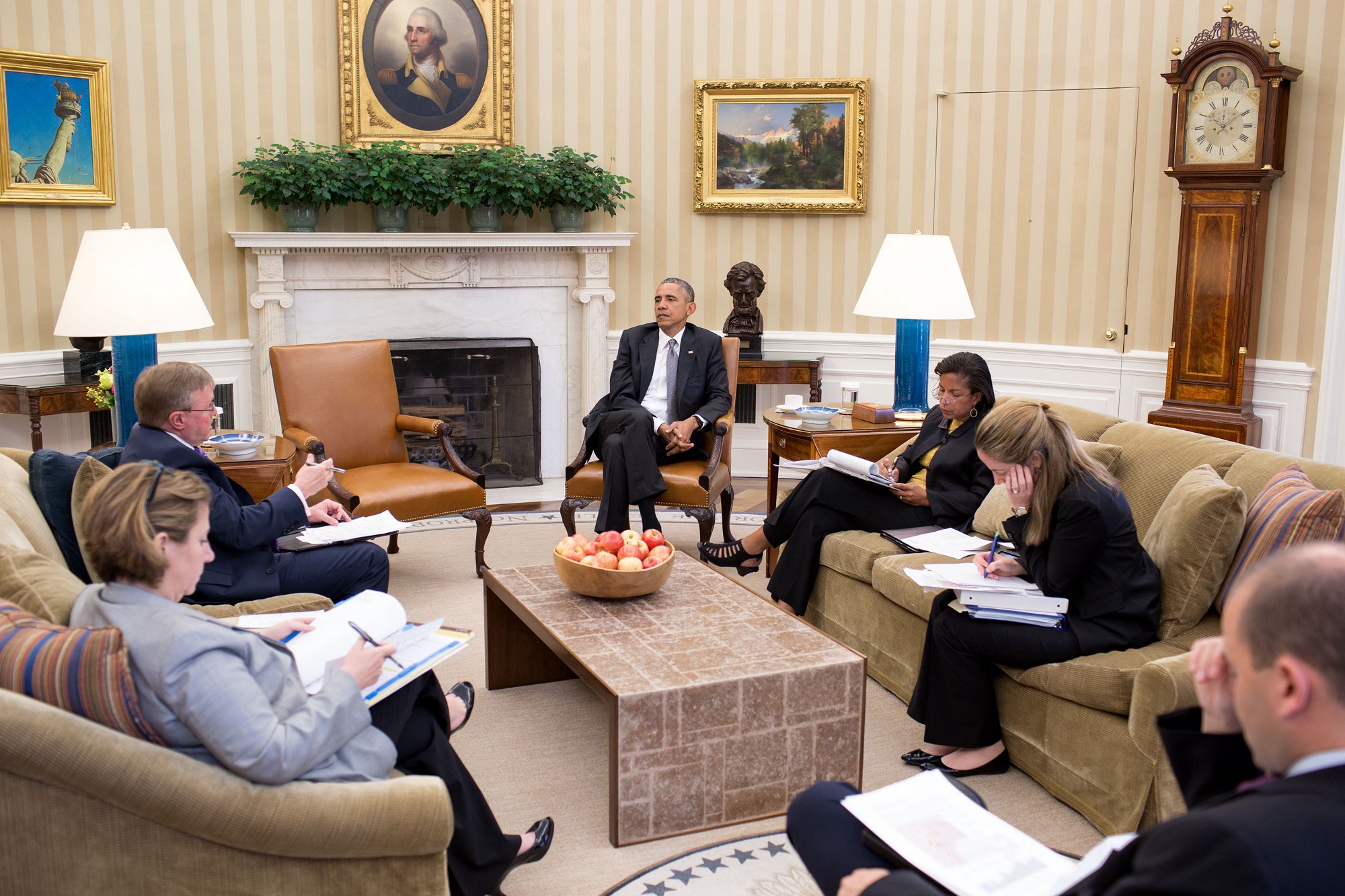
Experienced carpenters and master stonemasons were rare in America, so most of the skilled builders were Scots, Irish, and English. In 1902, President Theodore Roosevelt began a major renovation of the White House, including the relocation of the President’s offices from the Second Floor of the Residence to the newly constructed temporary Executive Office Building (now known as the West Wing). The Roosevelt renovation was planned and carried out by the famous New York architectural firm McKim, Mead and White. Roosevelt’s successor, President William Howard Taft, had the Oval Office constructed within an enlarged office wing.
John Adams
The building’s South and North Porticoes were added in 1824 and 1829, respectively, while John Quincy Adams established the residence’s first flower garden. Subsequent administrations continued to overhaul and bolster the interior through Congressional appropriations; the Fillmores added a library in the second-floor oval room, while the Arthurs hired famed decorator Louis Tiffany to redecorate the east, blue, red and state dining rooms. Thomas Jefferson added his own personal touches upon moving in a few months later, installing two water closets and working with architect Benjamin Latrobe to add bookending terrace-pavilions. Having transformed the building into a more suitable representation of a leader’s home, Jefferson held the first inaugural open house in 1805, and also opened its doors for public tours and receptions on New Year’s Day and the Fourth of July. Presidents can express their individual style in how they decorate some parts of the house and in how they receive the public during their stay.
Who Was the First American President to Live in the White House?
In July of 1792, Irish-born architect James Hoban’s submission was selected by Washington, and he was hired to build the White House. Also two stories, the East Wing, meanwhile, contains office space for the first lady and her staff and features a covered entrance for guests during large events. By Owen RustMA Economics in progress w/ MPAOwen is a high school teacher and college adjunct in West Texas. He has an MPA degree from the University of Wyoming and is close to completing a Master’s in Finance and Economics from West Texas A&M. He has taught World History, U.S. History, and freshman and sophomore English at the high school level, and Economics, Government, and Sociology at the college level as a dual-credit instructor and adjunct.
Palestinian-American public intellectual Edward Said is born
The hours-long meeting was set up with the aim of brokering a truce — and with the aim of convincing the Florida governor to tap into his substantial network of donors ahead of the general election this autumn, according to The Washington Post. Rightwing news outlet OAN has agreed to a legal settlement and to retract a false article about former Trump fixer Michael Cohen. State Senator Jake Hoffman was indicted last week, facing allegations that he joined the effort to overturn President Joe Biden’s win in the state. Mr Biden became the first Democrat to win Arizona on the presidential level since President Bill Clinton in 1996. That rhetoric is amplified in his campaign’s messages to supporters in increasingly absurd and false characterisations of what’s happening in court, where he pits his word against the reporters in the room and the official court transcript. Meanwhile, Mr Trump is understood to have met with Florida governor Ron DeSantis in Miami on Sunday to resolve their differences after a bruising primary rivalry.
How secure were Trump’s classified documents at Mar-a-Lago? Not very according to one witness...
Because of crowding within the executive mansion itself, President Theodore Roosevelt had all work offices relocated to the newly constructed West Wing in 1901. Eight years later, in 1909, President William Howard Taft expanded the West Wing and created the first Oval Office, which was eventually moved and expanded. In the Executive Residence, the third floor attic was converted to living quarters in 1927 by augmenting the existing hip roof with long shed dormers. A newly constructed East Wing was used as a reception area for social events; Jefferson's colonnades connected the new wings. The East Wing alterations were completed in 1946, creating additional office space.
The family no longer needed a kitchen, as meals were cooked and served from the White House galley below. Besides, the Lincolns were free to entertain small or large groups downstairs in the intimate Green, Blue, or Red Rooms, or hold levees in the vast East Room, the scene of many public receptions during their four years in residence. Mary would not even tell her husband directly that she had overspent on its decor; she compelled the hapless commissioner of public buildings to bring him the bad news, and bear the brunt of his outrage. With structural problems mounting from the 1902 installation of floor-bearing steel beams, most of the building’s interior was stripped bare as a new concrete foundation went in place. The Trumans helped redesign most of the state rooms and decorate the second and third floors, and the president proudly displayed the results during a televised tour of the completed house in 1952.
Make Your Inbox the Best in History
Our first president, George Washington, selected the site for the White House in 1791. The following year, the cornerstone was laid and a design submitted by Irish-born architect James Hoban was chosen. After eight years of construction, President John Adams and his wife Abigail moved into the still-unfinished residence. During the War of 1812, the British set fire to the President’s House, and James Hoban was appointed to rebuild it. James Monroe moved into the building in 1817, and during his administration, the South Portico was constructed. Various proposals were put forward during the late 19th century to significantly expand the President’s House or to build an entirely new residence, but these plans were never realized.
When Betsy Donohue, the wife of one of the carpenters, opened a house of“riotous and disorderly” conduct, she was fined but by no means shut down. Her house, which was owned by Hoban, was moved and reopened off the public land. A routine developed in the workmen’s village that grew up around the White House during its construction. Sunday was a day for hunting and fishing or perhaps taking a coach ride to big-city Baltimore to spend the week’s wages.
Setting the Stage: Building a National Capital
Former White House communications director Alyssa Farah Griffin told The View back in December that Mr Trump once called for a staff member to be put to death for leaking a story about the then-president going down to a bunker during Black Lives Matter protests in summer 2020. Attorneys for the president’s son cited statements made by Fox personalities including Jessie Watters and Maria Bartiromo in a lengthy letter sent to Fox attorneys last week and shared with The Independent on Monday. An Arizona state senator charged in the election subversion case in the state has been elected as its national committeeman for the Republican National Committee.
Located in Washington, DC, the White House has witnessed some of the most pivotal moments in US history. It was built over two hundred years ago, opening in 1800, and has since evolved from a striking neoclassical structure to an elaborate complex of some 132 rooms spread over 55,000 square feet. Francis Bicknell Carpenters The First Reading of the Emancipation Proclamation Before the Cabinet was painted in oil at the White House in 1864. The artist used the State Dining Room for his studio studying firsthand every detail of the president's office and the individuals represented, to make his work accurate to history.
Shortly after they moved in, Thomas Jefferson defeated Adams in his bid for re-election. Abigail was happy to leave Washington and departed in February 1801 for Quincy. As Jefferson was being sworn in on March 4, 1801, John Adams was already on his way back to Massachusetts, where he and Abigail lived out the rest of their days at their family farm. In the minds of most Americans, the building was not a “palace” from which the president ruled but merely a temporary office and residence from which he served the people he governed. The White House belonged to the people, not the president, and the president occupied it only for as long as the people allowed him to stay. The idea of a president refusing to leave the White House after losing an election or an impeachment trial was unthinkable.
Nine proposals were submitted for the new presidential residence with the award going to Irish-American architect James Hoban. Capitol and the White House.[17] Hoban was born in Ireland and trained at the Dublin Society of Arts. He emigrated to the U.S. after the American Revolution, first seeking work in Philadelphia and later finding success in South Carolina, where he designed the state capitol in Columbia. However much the Lincolns—particularly Mary Lincoln—may have hoped for a glorious four years of social triumph and renewed intimacy at the nation's most famous residence, rebellion, civil war, and family tragedy conspired to puncture their dream.
At first, Lincoln rejected his staffs efforts to spare him by limiting public access. Under the July 1790 Residence Act, the national capital moved to Philadelphia, Pennsylvania, for a 10-year period, while the permanent national capital was under construction in the District of Columbia. The house was rented for one year at an annual rent of $845, but the president vacated it after ten months when a larger residence became available. Washington moved to the Alexander Macomb House at 39–41 Broadway, which he occupied from February 23 to August 30, 1790.



No comments:
Post a Comment